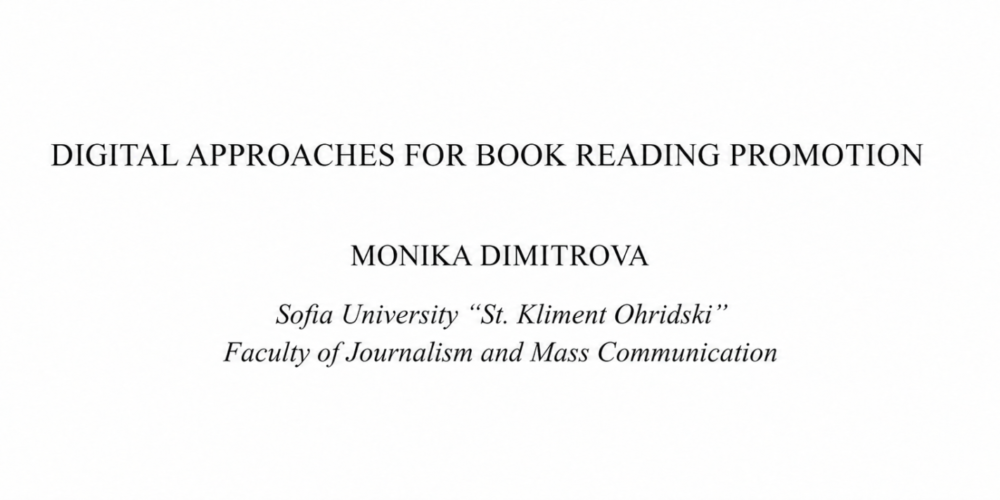
Published in 2024, Monika Dimitrova’s article maps European book-reading initiatives that use digital approaches, particularly those designed for children and young adults. It examines gamification, digital literature, interactive book applications, educational mobile apps, social media and online influencers as instruments for encouraging reading.
The Bulgarian platform Knigovishte turns reading comprehension into a game involving questions, points, levels, diaries and discussion groups. The digital novel Inanimate Alice combines text, images, music, puzzles and interactive storytelling, while The Fantastic Flying Books of Mr. Morris Lessmore uses augmented reality to extend rather than replace its printed-book experience.
Other examples include Germany’s Read with Apps service, which helps families identify educational applications, and the Scottish Book Trust’s Bookzilla, which offers recommendations and reading challenges developed with young people. BookTok illustrates how online communities, emotional recommendations and influencers can shape reading attitudes and produce measurable effects on book sales.
Dimitrova argues that digital reading initiatives work best when they are carefully curated and integrated into schools, educational programmes and national strategies. Although excessive screen use can reduce attention and encourage impatience, rejecting technology is unrealistic. Properly regulated digital tools can support comprehension, participation, multiple forms of literacy and lasting positive attitudes toward books.